

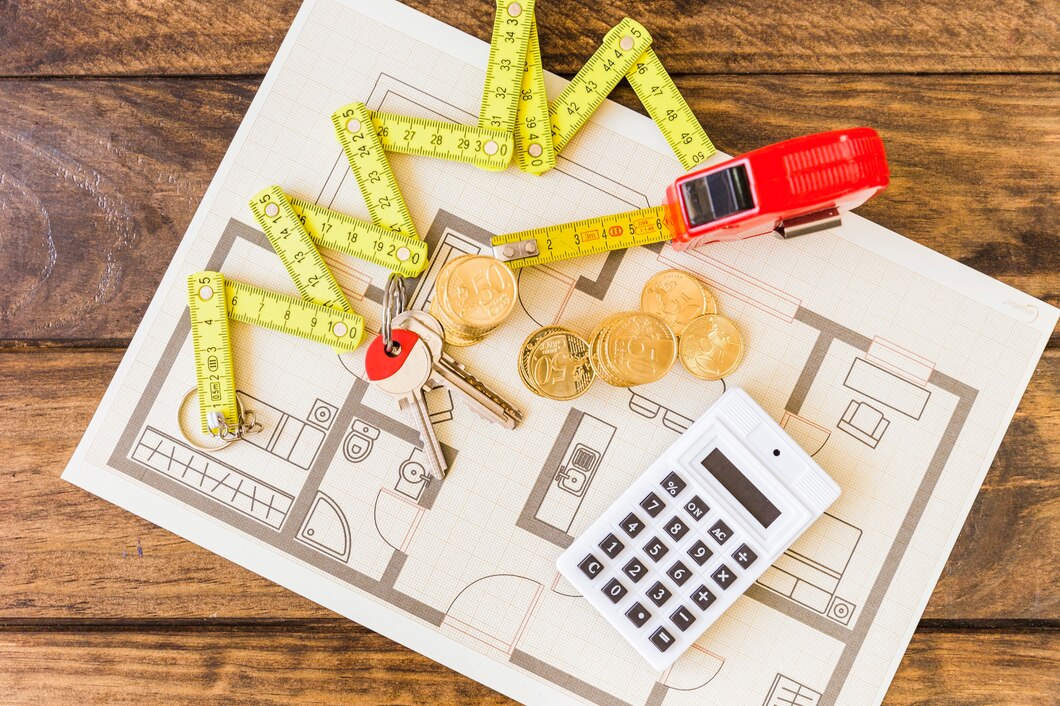
Factors That Affect Construction Material, Building a home, office, or warehouse is not cheap, and prices keep changing. If you have ever asked a contractor for a quote and been surprised by the number, you are not alone. Understanding the factors affecting construction material costs helps owners, builders, and estimators plan better and avoid budget surprises.
In this guide, we will break down the top 10 factors affecting construction material costs in simple words. No confusing terms, just clear facts you can use for your next project.
Table of Contents
What Are Construction Material Costs
Factors That Affect Construction Material, Construction material costs are the total price of everything used to build a structure. This includes concrete, steel, wood, glass, pipes, wires, and more. These costs make up a large part of any construction budget, often 40 to 60 percent of the total project price.
Because materials cost so much, even a small price change can affect the whole project. That is why knowing the factors affecting construction material costs is so important before you start building.
Top 10 Factors That Affect Construction Material Costs
Here are the ten biggest factors affecting construction material costs today.
1. Supply and Demand
When more people want to build at the same time, material suppliers cannot always keep up. This pushes prices higher. On the other hand, when fewer projects are happening, prices tend to drop. Supply and demand is one of the strongest factors affecting construction material costs, and it changes often depending on the economy and housing market.
2. Transportation and Fuel Costs
Materials like steel beams, lumber, and concrete blocks need to travel from factories to job sites. When fuel prices rise, trucking and shipping companies charge more to move these materials. This added cost gets passed on to builders and, eventually, to the customer.
3. Labor Costs and Worker Availability
Materials do not build themselves. Skilled workers are needed to produce, process, and deliver them. When there is a shortage of workers in factories or mills, production slows down, and prices go up. Rising wages also add to the final material cost.
4. Tariffs and Trade Policies
Many materials, especially steel and aluminum, are imported from other countries. Government tariffs and trade rules can raise the price of these imported goods overnight. This is one of the more unpredictable factors affecting construction material costs because policies can change quickly.
5. Weather and Seasonal Demand
Construction activity usually increases in spring and summer, which raises demand for lumber, concrete, and roofing materials. Bad weather, like storms or floods, can also damage supply chains and delay shipments, pushing prices higher during recovery periods.
6. Energy Prices
Producing materials like cement, steel, and glass requires a lot of energy. When electricity or natural gas prices rise, factories spend more to manufacture these products. That extra cost is added to the final price of the material.
7. Local Building Codes and Regulations
Every city and state has its own building codes. Some areas require fire-resistant materials, energy-efficient windows, or specific insulation types. Meeting these rules can mean using pricier materials, which increases the overall project cost.
8. Market Competition Among Suppliers
The number of suppliers in your area affects pricing too. If only one or two companies sell a certain material nearby, they can charge higher prices. More competition usually means better deals for builders and lower material costs overall.
9. Project Location and Site Conditions
Building in a remote area or a city with heavy traffic can raise delivery costs. Difficult site conditions, like rocky soil or limited access roads, may also require special equipment or extra material, adding to the budget.
10. Technology and Construction Methods
New building methods, like prefabrication and modular construction, can reduce waste and lower material costs. On the other hand, older or less efficient methods may use more material than needed, increasing expenses. Choosing modern techniques is one way builders manage the factors affecting construction material costs more effectively.
Why Understanding These Factors Matters
Knowing the factors affecting construction material costs helps you plan a realistic budget from the start. It also helps you decide when to buy materials, which suppliers to choose, and how to avoid delays that push prices higher. Builders who track these factors are less likely to face mid-project cost overruns.
A detailed construction takeoff service can help you measure exact material quantities before prices change, reducing the risk of overspending.
How to Manage Rising Construction Material Costs
You cannot control the market, but you can plan smarter. Here are a few simple ways to manage the factors affecting construction material costs on your project.
- Order materials early when prices are stable
- Compare multiple suppliers before committing
- Work with an estimator to set a realistic budget estimate before construction starts
- Choose local suppliers when possible to reduce transport costs
- Stay updated on market trends using trusted sources like the Bureau of Labor Statistics Producer Price Index and reports from the Associated General Contractors of America
Whether you are planning a home build or a large commercial development, accurate planning makes a real difference. Our team offers both residential cost estimation and commercial cost estimation services to help you stay on budget from day one.
Final Thoughts
Material prices will always shift due to outside forces like supply, labor, weather, and trade policy. The best way to protect your project is to understand these factors affecting construction material costs and plan ahead with accurate estimates.
If you want help creating a clear, reliable budget for your next project, contact our team today for a free quote.
Frequently Asked Questions
What is the biggest factor affecting construction material costs?
Supply and demand is usually the biggest factor, since prices rise quickly when demand for materials outpaces what suppliers can produce.
Do construction material costs change every year?
Yes, prices shift yearly and sometimes monthly based on the economy, fuel prices, and trade policies. Checking data from sources like the National Association of Home Builders can help track these changes.
How can I reduce material costs on my project?
Order early, compare suppliers, use accurate takeoffs, and work with a professional estimator to avoid waste and overbuying.