

Learning how to reduce construction costs without cutting corners is important for contractors, builders, developers, and property owners. Every construction project needs strong cost control, but reducing expenses should never lower safety, quality, or building performance.
Smart construction cost management focuses on planning, efficiency, accurate estimating, and better project coordination. The goal is to reduce unnecessary spending while still delivering a durable and professional project.
At Rise Zones Estimation, contractors receive professional estimating and quantity takeoff services that help improve budgeting and control construction costs across residential, commercial, and industrial projects.
Why Construction Cost Control Matters
Construction projects involve many expenses, including:
- Materials
- Labor
- Equipment
- Permits
- Subcontractors
- Project management
Without proper cost control, projects can quickly exceed budget limits.
Reducing construction costs the right way helps contractors:
- Increase profits
- Improve project efficiency
- Reduce delays
- Stay competitive
- Avoid financial risks
Good cost control also improves communication between project owners, contractors, suppliers, and subcontractors.
According to the Construction Specifications Institute, organized project planning and documentation improve construction coordination and cost management.
Understand the Project Scope Early
One of the best ways to reduce construction costs is understanding the complete project scope before work begins.
Many budget problems happen because contractors miss important details during planning.
Project review should include:
- Architectural drawings
- Structural plans
- Mechanical systems
- Electrical layouts
- Specifications
- Site conditions
When contractors understand the project clearly from the beginning, they can avoid:
- Scope confusion
- Material shortages
- Labor delays
- Change orders
Careful planning reduces expensive surprises later in construction.
The National Institute of Building Sciences explains how detailed planning improves project performance and reduces construction risks.
Use Accurate Construction Estimating
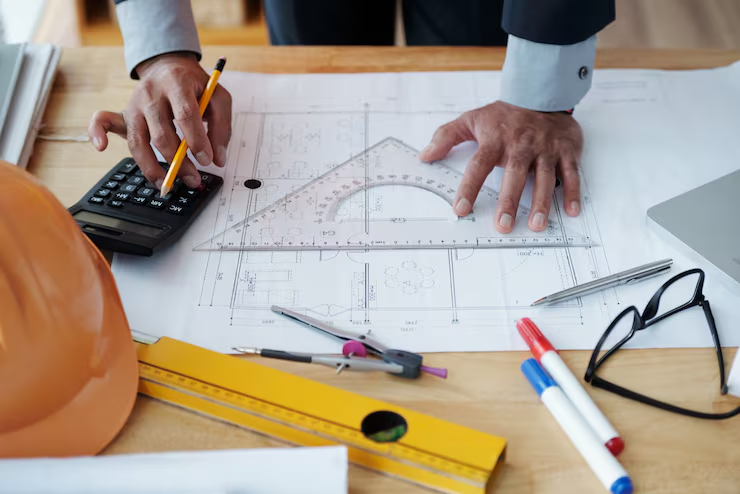
Accurate estimating is one of the most effective ways to reduce unnecessary project costs.
Poor estimates often create:
- Budget overruns
- Incorrect material orders
- Labor shortages
- Emergency purchases
Professional estimates include:
- Material quantities
- Labor costs
- Equipment expenses
- Overhead costs
- Subcontractor pricing
Detailed quantity takeoffs help contractors purchase only the materials required for the project.
Professional Construction Estimating Services help contractors prepare accurate budgets and improve bidding decisions.
Improve Material Planning and Purchasing
Material costs represent a large part of construction expenses.
Better purchasing strategies can reduce waste and improve project budgets.
Helpful methods include:
- Ordering accurate quantities
- Comparing supplier pricing
- Buying materials early when possible
- Reducing delivery delays
- Using local suppliers
Contractors should also monitor material price changes because construction markets can shift quickly.
Careful material planning prevents overordering and reduces storage problems on the job site.
Professional Quantity Takeoff Services help contractors calculate exact material quantities before purchasing begins.
Reduce Waste on the Job Site
Construction waste increases project costs significantly.
Common waste problems include:
- Damaged materials
- Poor storage practices
- Incorrect measurements
- Rework
- Excess cutting waste
Reducing waste improves both project budgets and job site efficiency.
Contractors can reduce waste by:
- Organizing materials properly
- Training workers carefully
- Using accurate measurements
- Improving communication between trades
Good site management helps avoid unnecessary material replacement and labor expenses.
The U.S. Environmental Protection Agency also supports construction waste reduction practices that improve sustainability and cost control.
Use Value Engineering the Right Way
Value engineering focuses on improving project value without reducing quality.
This process evaluates:
- Materials
- Construction methods
- Building systems
- Design options
The goal is to find cost effective alternatives that still meet performance and safety requirements.
For example:
- Alternative flooring materials may lower costs without reducing durability
- Different framing methods may improve labor efficiency
- Energy efficient systems may reduce long term operating costs
Value engineering should never compromise structural safety or building code compliance.
Improve Labor Productivity
Labor is one of the largest expenses in construction.
Improving productivity helps reduce project costs without reducing quality.
Labor efficiency improves when contractors:
- Schedule work properly
- Avoid trade conflicts
- Maintain organized job sites
- Use skilled workers
- Provide proper equipment
Poor scheduling often creates delays and overtime costs.
When crews work efficiently, projects finish faster and labor expenses stay under control.
Professional Construction Takeoff Services support better labor planning by organizing quantities and project scope clearly.
Choose Cost Effective Building Methods
Construction methods directly affect project costs.
Some building systems require:
- More labor hours
- Specialized equipment
- Longer schedules
- Higher maintenance costs
Contractors should evaluate construction methods carefully before finalizing project plans.
Examples of cost effective strategies include:
- Prefabricated components
- Efficient framing systems
- Simplified layouts
- Standardized materials
Simpler construction methods often improve productivity and reduce project delays.
However, all systems should still meet quality standards and building codes.
Prevent Expensive Change Orders
Change orders are one of the biggest causes of budget overruns.
Many change orders happen because of:
- Incomplete drawings
- Design revisions
- Poor communication
- Scope misunderstandings
Reducing change orders starts with detailed planning and accurate estimating.
Contractors should review project documents carefully before construction begins.
Clear communication with owners, architects, and subcontractors also reduces confusion during the project.
Fewer changes during construction help protect project budgets and schedules.
Use Construction Technology and Estimating Software
Modern construction technology improves cost control and project organization.
Estimating software helps contractors:
- Measure quantities accurately
- Track project costs
- Organize estimates
- Reduce manual errors
- Improve reporting
Popular construction estimating tools include:
- PlanSwift
- Bluebeam
- Trimble
- RSMeans
- Xactimate
Technology also improves communication between project teams and suppliers.
Professional estimators use digital tools to create more accurate and organized estimates.
You can also explore Commercial Estimating Services and Residential Estimating Services for project specific estimating support.
Work With Experienced Estimators and Contractors
Experienced construction professionals help reduce costly mistakes.
Professional estimators understand:
- Market pricing
- Labor productivity
- Material quantities
- Building systems
- Construction sequencing
Experienced contractors also manage projects more efficiently and identify cost saving opportunities early.
Working with qualified professionals improves budgeting accuracy and reduces project risks.
Outsourced estimating services also help contractors manage multiple bids while reducing in house workload.
Common Mistakes That Increase Construction Costs
Many projects exceed budgets because of avoidable mistakes.
Common problems include:
Incomplete Planning
Poor planning creates delays and scope confusion.
Incorrect Quantity Takeoffs
Material shortages increase purchasing and labor costs.
Weak Communication
Miscommunication between trades creates rework and delays.
Poor Scheduling
Inefficient scheduling reduces labor productivity.
Ignoring Market Pricing
Construction prices change frequently and affect project budgets.
Careful planning and professional estimating help contractors avoid these issues.
Final Thoughts
Learning how to reduce construction costs without cutting corners helps contractors improve project profitability while maintaining quality and safety standards.
The best cost reduction strategies focus on:
- Accurate estimating
- Better planning
- Efficient labor management
- Waste reduction
- Smart material purchasing
- Improved communication
Reducing costs should never mean lowering construction quality. Instead, successful contractors focus on efficiency, organization, and accurate project management.
For professional estimating services, quantity takeoffs, and cost planning support, visit Rise Zones Estimation.