

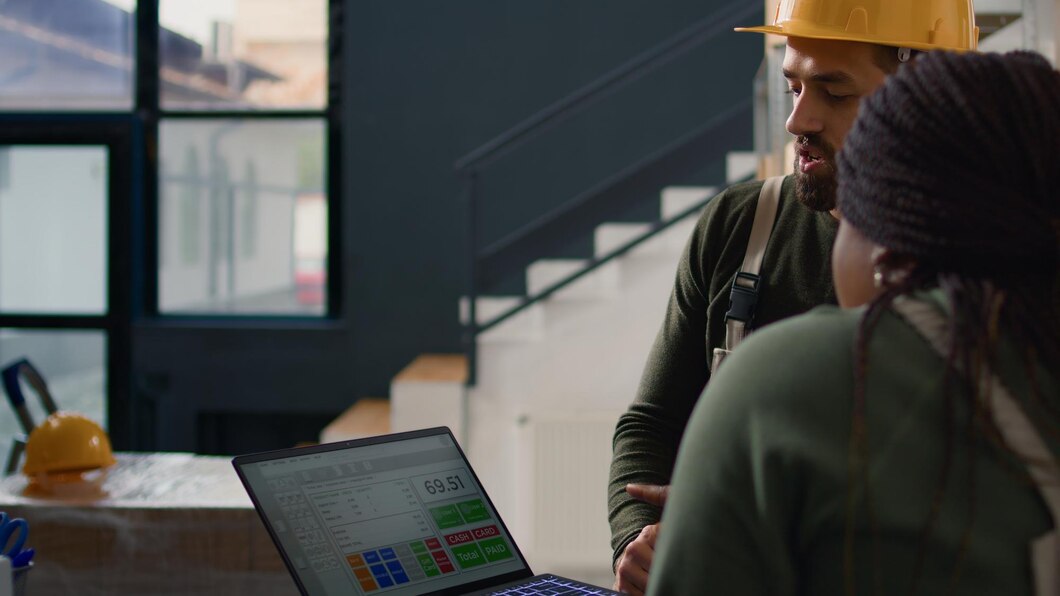
Best Construction Estimating Software, Spreadsheets can only take an estimating team so far. As material prices shift and projects get more complex, more contractors are turning to the best construction estimating software to speed up takeoffs, reduce errors, and protect their margins. Choosing the right platform can mean the difference between a bid that wins profitably and one that quietly eats into your budget months later.
This guide breaks down 15 of the best construction estimating software tools available in 2026, what each one does well, and how to think about choosing the right fit for your team. The language here is kept simple, so anyone new to estimating software can follow along without getting lost in technical terms.
Table of Contents
Why Choosing the Best Construction Estimating Software Matters
Construction estimating software has moved far beyond simple calculators. Modern platforms combine digital takeoffs, live pricing data, and reporting tools in one place, replacing static spreadsheets that are easy to miscalculate or forget to update. Industry research shows that estimating errors remain one of the leading causes of budget overruns, which is exactly the problem good software is built to solve.
Picking the best construction estimating software for your business depends on a few key factors:
- The size and complexity of your typical projects
- Whether your team needs takeoff tools, full estimating, or both
- How well the software integrates with your existing project management or accounting tools
- Your budget, since pricing ranges from free templates to enterprise level platforms
15 Best Construction Estimating Software Tools in 2026
1. Procore
Procore is widely used by mid size and large general contractors for its strong integration between estimating, project management, and accounting tools. It supports collaboration across office and field teams, though the learning curve and cost can be high for smaller firms.
2. PlanSwift
PlanSwift remains one of the fastest pure takeoff tools available, letting estimators measure plans and count materials directly on screen. It exports easily to Excel and other estimating platforms, making it a strong choice for teams that already have a preferred estimating workflow.
3. Bluebeam Revu
Bluebeam Revu is known for intuitive PDF markup and measurement tools, which makes it a popular choice for takeoffs across almost any trade. Some users note the subscription pricing model as a downside compared to one time purchase software.
4. STACK
STACK offers cloud based digital takeoffs along with estimating tools built for a wide range of trades. Its AI assist features can automatically detect doors, windows, and rooms from blueprints, which speeds up the takeoff process significantly.
5. ProEst
Built by Autodesk, ProEst combines RSMeans cost data with BIM integration, making it a strong fit for commercial general contractors managing multiple bids at once. The tradeoff is a higher price point and a longer onboarding process.
6. RSMeans Data Online
RSMeans Data Online is one of North America’s most trusted construction cost databases, offering location specific pricing that helps estimators avoid relying on national averages. Many teams pair it with other estimating platforms to keep pricing accurate and defensible.
7. Sage Estimating
Sage Estimating is praised for detailed cost breakdowns and clear reporting, making it a solid option for firms that need strong financial visibility across every estimate. It works well for teams already using other Sage accounting products.
8. Buildxact
Buildxact has earned recognition for its usability, with an AI assistant that helps users complete estimates significantly faster than manual methods. It is a popular choice among residential builders and remodelers looking for a simpler learning curve.
9. CoConstruct
CoConstruct is known for API driven integrations and a workflow built specifically for custom home builders and remodelers. It combines estimating with client communication tools, which helps keep proposals and project details organized in one place.
10. Clear Estimates
Clear Estimates offers a prebuilt cost database and a fast quoting workflow at a lower price point than many enterprise platforms. This makes it a strong option for small general contractors and remodelers who want structure without a steep learning curve.
11. Contractor Foreman
Contractor Foreman focuses on helping smaller contracting businesses create accurate bids and proposals quickly. Its affordability and simplicity make it a popular entry point for contractors moving away from spreadsheets for the first time.
12. RedTeam
RedTeam combines estimating, budgeting, and forecasting in a single cloud based platform, with strong tools for tracking change orders. This helps teams document scope adjustments clearly, which reduces disputes and cost overruns later in the project.
13. Xactimate
Xactimate is widely used in the insurance restoration and remodeling space, allowing teams to measure, design, and estimate all in one platform. It is especially useful for projects that involve damage assessment alongside standard construction costs.
14. Togal.AI
Togal.AI uses computer vision to automatically detect and measure building components from digital plans, cutting manual takeoff time significantly. Independent testing has shown it completing full architectural takeoffs in a fraction of the time manual methods require.
15. ConEst IntelliBid
ConEst IntelliBid is built specifically for electrical contractors, with a large built in database of items and pre built assembly kits. This specialization makes it one of the strongest trade specific options on this list for electrical estimating.
How to Choose the Best Construction Estimating Software for Your Team

Match the tool to your trade and project size A small remodeling business has very different needs than a commercial general contractor managing multiple large bids at once. Choose software built for your typical project type rather than the most feature heavy option available.
Check integration with your existing tools The best construction estimating software should connect smoothly with your project management, accounting, and CRM systems, reducing double entry and manual errors.
Ask how pricing data is maintained Software is only as accurate as the cost data behind it. Look for platforms that update pricing regularly and reflect regional differences in labor and material costs.
Consider your team’s technical comfort level Some platforms have a steep learning curve, while others are built for quick onboarding. Choose a tool your team will actually use consistently, rather than one that looks impressive but gets abandoned after a few projects.
Software Is a Tool, Not a Replacement for Experience
Even the best construction estimating software cannot fully replace an experienced estimator’s judgment. Software speeds up takeoffs, reduces simple math errors, and keeps pricing current, but assessing site risk, evaluating subcontractor reliability, and making final pricing decisions still depends on human expertise. This is why many contractors pair strong software with an experienced estimating partner rather than relying on either one alone.
Our team at Rise Zones Estimation works directly with industry standard platforms to deliver accurate results for general contractors, combining trade specific experience with proven software tools. For projects that need detailed material counts, our construction takeoff services rely on the same kind of digital takeoff technology covered in this guide. Larger developments benefit from our commercial cost estimation team, who apply current, regionally accurate data to every estimate we prepare.
What This Means for Residential and Industrial Projects
Residential builders often need simpler, faster tools since most jobs involve fewer trades and smaller budgets, which is why platforms like Buildxact and CoConstruct focus heavily on ease of use. Our residential cost estimation work reflects this same principle, pairing straightforward tools with a process that keeps homeowners and builders on budget from day one. Industrial and heavy commercial projects, on the other hand, involve far more complex systems and specialized equipment, which is why enterprise tools like Procore and ProEst include deeper reporting and BIM integration. Regardless of project size, the same core idea applies: the best construction estimating software should match the complexity of the work, not add unnecessary steps to a simple project or leave gaps in a complex one.
Frequently Asked Questions
What is the best construction estimating software for small contractors?
Smaller contractors often do well with simpler, more affordable platforms such as Contractor Foreman or Clear Estimates, since these offer structured estimating without the cost or complexity of enterprise tools.
Is free construction estimating software good enough for a small business?
Free options, such as Excel templates or free tiers of cloud based tools, can work for very small operations, but most growing businesses eventually need dedicated software to reduce errors and save time.
Does construction estimating software replace the need for an experienced estimator?
No. Software speeds up calculations and takeoffs, but judgment calls around risk, site conditions, and pricing strategy still require experienced human input.
How much does construction estimating software typically cost?
Pricing ranges widely, from free templates to a few hundred dollars per month for mid tier tools, up to enterprise platforms that can cost well over a thousand dollars per user each year.
Can construction estimating software improve bid accuracy?
Yes. Industry data suggests that switching from manual methods to dedicated software can meaningfully improve bid accuracy and win rates by reducing missed line items and outdated pricing.
Final Thoughts
There is no single best construction estimating software for every contractor. The right choice depends on your trade, your project size, and how your team already works. Whether you choose a takeoff focused tool like PlanSwift, a full estimating platform like ProEst, or a trade specific solution like ConEst IntelliBid, the goal is the same: fewer missed line items, more accurate pricing, and stronger margins on every bid.
If you want expert support pairing the right software with experienced estimating, reach out through our contact page to discuss your next project.