


Learning how to estimate roofing costs correctly is important for roofing contractors, builders, estimators, and property owners. Roofing systems protect buildings from weather, moisture, and structural damage, making accurate roofing estimates essential for every construction project.
Roofing projects involve several cost factors, including materials, labor, roof design, equipment, and waste management. Even small estimating mistakes can create budget problems and reduce project profits.
At Rise Zones Estimation, professional estimators prepare detailed roofing quantity takeoffs and cost estimates for residential and commercial projects across the United States.
What Does Roofing Estimating Mean
Roofing estimating is the process of calculating the total cost required to install or replace a roofing system.
A roofing estimate may include:
- Roofing materials
- Labor costs
- Underlayment
- Flashing
- Fasteners
- Equipment expenses
- Waste removal
- Overhead and profit
Roofing estimates help contractors:
- Prepare competitive bids
- Plan material purchases
- Schedule labor
- Control project budgets
- Avoid unexpected expenses
Accurate roofing estimates improve project planning and help contractors complete projects more efficiently.
According to the National Roofing Contractors Association, proper roofing planning and installation improve roof performance and long term durability.
Why Accurate Roofing Estimates Matter
Roofing projects involve large material quantities and labor intensive installation work.
Inaccurate estimates can lead to:
- Material shortages
- Budget overruns
- Labor delays
- Project disputes
- Reduced profits
Accurate roofing estimates help contractors:
- Improve bid accuracy
- Reduce waste
- Increase profitability
- Improve scheduling
- Avoid emergency purchases
Professional Construction Estimating Services help contractors prepare reliable roofing estimates using detailed quantity takeoffs and updated pricing data.
Review Roofing Drawings and Project Scope
Every roofing estimate begins with reviewing project documents carefully.
Estimators study:
- Roof plans
- Building elevations
- Sections and details
- Roofing specifications
- Structural drawings
These documents explain:
- Roof dimensions
- Roofing materials
- Roof slope
- Drainage systems
- Insulation requirements
- Installation methods
Careful scope review helps estimators identify all roofing components before calculating costs.
The Construction Specifications Institute explains how organized construction documentation improves estimating accuracy and project coordination.
Measure Roof Area Correctly
Roof area measurement is one of the most important steps in roofing estimating.
Roofing quantities are usually measured in:
- Square feet
- Roofing squares
One roofing square equals 100 square feet.
Estimators calculate:
- Main roof surfaces
- Valleys
- Ridges
- Hips
- Overhangs
- Dormers
Accurate measurements are critical because roofing material costs depend directly on roof size.
Digital takeoff software helps estimators measure roof dimensions more accurately from project drawings.
Professional Quantity Takeoff Services support accurate roof measurements and material planning.
Understand Roof Pitch and Complexity
Roof pitch affects both material quantities and labor costs.
Steeper roofs usually require:
- More labor hours
- Additional safety equipment
- Higher installation difficulty
- Increased material waste
Complex roof designs also increase estimating requirements.
Examples include:
- Multiple roof levels
- Curved roofs
- Dormers
- Skylights
- Complex valleys
Simple roof layouts are generally faster and less expensive to install.
Roof complexity directly affects project productivity and labor pricing.
Calculate Roofing Material Costs
Roofing materials are one of the largest parts of the estimate.
Material costs depend on:
- Roofing type
- Material quality
- Roof size
- Local supplier pricing
Common roofing materials include:
- Asphalt shingles
- Metal roofing
- Tile roofing
- Slate roofing
- TPO roofing
- EPDM roofing
Estimators also include:
- Ridge caps
- Starter strips
- Nails and fasteners
- Adhesives
- Waterproofing materials
Material pricing should always reflect current market conditions because construction prices change frequently.
The U.S. Department of Energy provides information about energy efficient roofing systems and building performance.
Estimate Roofing Labor Costs
Labor costs depend on roof size, complexity, and installation difficulty.
Estimators calculate labor for:
- Roof preparation
- Tear off work
- Material installation
- Flashing installation
- Cleanup and disposal
Labor productivity changes based on:
- Roof slope
- Weather conditions
- Crew experience
- Safety requirements
- Building height
Commercial roofing projects often require specialized labor and additional coordination between trades.
Accurate labor estimates help contractors manage payroll costs and project schedules.
Professional Commercial Estimating Services help contractors prepare detailed labor calculations for commercial roofing projects.
Include Flashing, Underlayment, and Accessories
Many roofing estimates fail because important accessories are overlooked.
Additional roofing components may include:
- Underlayment
- Ice and water shield
- Flashing
- Roof vents
- Gutters
- Drip edge
- Sealants
These materials protect the roof system from moisture and improve long term durability.
Estimators should review roofing details carefully to ensure all accessories are included in the estimate.
Missing small components can create unexpected costs during installation.
Add Equipment and Disposal Costs
Roofing projects often require special equipment and waste handling.
Equipment costs may include:
- Ladders
- Scaffolding
- Cranes
- Safety harnesses
- Dump trailers
Disposal costs include:
- Old roofing removal
- Dumpster rental
- Transportation fees
- Landfill charges
Tear off projects usually require higher disposal expenses than new construction roofing work.
Accurate equipment and disposal estimates improve overall project budgeting.
Consider Weather and Site Conditions
Roofing work depends heavily on weather conditions.
Rain, snow, heat, and wind can affect:
- Installation speed
- Worker safety
- Material performance
- Project schedules
Site conditions also affect labor productivity.
Examples include:
- Limited roof access
- Occupied buildings
- Urban job sites
- Steep terrain
Estimators should review project conditions carefully before finalizing labor calculations.
Use Roofing Estimating Software
Modern estimating software improves roofing estimate accuracy and efficiency.
Popular roofing estimating tools include:
- PlanSwift
- Bluebeam
- Xactimate
- RoofSnap
- Trimble
These tools help estimators:
- Measure roof dimensions
- Calculate quantities
- Organize material lists
- Generate reports
- Reduce manual errors
Software improves speed, but experienced estimators are still needed to review project scope and installation conditions.
You can also explore Construction Takeoff Services and Residential Estimating Services for roofing takeoff and estimating support.
Common Roofing Estimating Mistakes
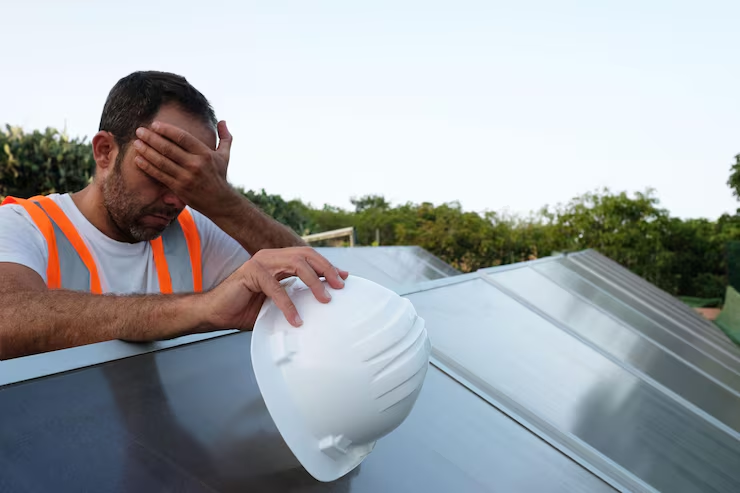
Many roofing estimating errors happen because important details are missed.
Common mistakes include:
Incorrect Roof Measurements
Small measurement errors create material shortages.
Ignoring Roof Complexity
Complex roof layouts increase labor and waste.
Missing Accessories
Flashing and underlayment are often overlooked.
Using Outdated Material Prices
Roofing material prices change frequently.
Incomplete Labor Calculations
Steep roofs and difficult access increase labor time.
Careful review and updated pricing help reduce these risks.
Why Contractors Outsource Roofing Estimates
Many contractors outsource roofing estimating to improve accuracy and save time.
Professional estimating services help contractors:
- Meet bid deadlines
- Handle multiple projects
- Improve estimate organization
- Reduce estimating workload
- Access experienced estimators
Detailed roofing takeoffs also improve purchasing and scheduling efficiency.
At Rise Zones Estimation, contractors receive professional roofing quantity takeoffs and estimating support for residential and commercial construction projects.
Final Thoughts
Learning how to estimate roofing costs accurately is essential for successful roofing projects and profitable bidding.
Roofing estimates require careful review of roof dimensions, material pricing, labor productivity, accessories, and project conditions. Accurate takeoffs and updated pricing data help contractors improve budgets, reduce waste, and avoid costly mistakes.
By combining detailed planning, professional estimating methods, and modern estimating software, contractors can create stronger roofing bids and complete projects more efficiently.
For professional roofing estimating services and quantity takeoffs, visit Rise Zones Estimation.