

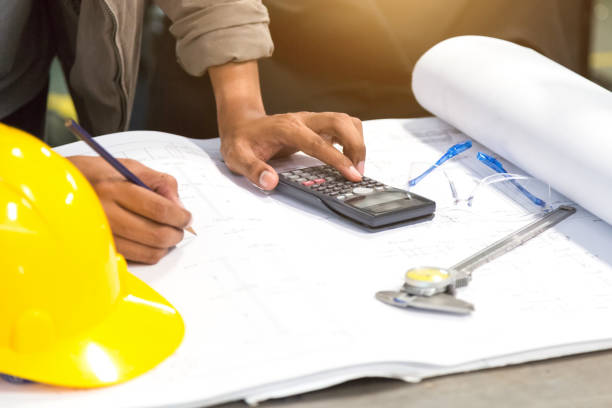
Construction Cost Estimate, Creating an accurate construction cost estimate is one of the most important steps in any construction project. A clear estimate helps contractors win bids, control budgets, avoid delays, and improve profits. Whether you are building a house, office, warehouse, or commercial facility, the right estimating process reduces mistakes and keeps the project on track.
Professional estimators use detailed quantity takeoffs, labor pricing, material costs, and market data to prepare reliable estimates. Companies like Rise Zones Estimation provide construction estimating services for residential, commercial, industrial, and civil projects across the USA.
What Is a Construction Cost Estimate
A construction cost estimate is the projected cost of completing a construction project. It includes:
- Material costs
- Labor costs
- Equipment expenses
- Subcontractor pricing
- Permit fees
- Overhead and profit
- Contingency costs
The goal is to calculate the total project cost before construction begins. Accurate estimates help contractors submit competitive bids while protecting profit margins.
According to the Association for the Advancement of Cost Engineering, accurate cost planning improves project performance and reduces financial risks.
External Resource:
Why Accurate Cost Estimation Matters
A detailed construction cost estimate helps contractors and developers:
- Avoid budget overruns
- Reduce material waste
- Improve project planning
- Win more bids
- Increase profitability
- Prevent change order disputes
- Schedule labor and materials correctly
Many contractors lose projects because of inaccurate estimates. Underbidding can reduce profits, while overbidding may cause clients to choose competitors.
Professional estimators use real market pricing and advanced takeoff software to improve accuracy.
Types of Construction Cost Estimates
Different project stages require different types of estimates.
Preliminary Estimate
Used during the early planning phase. It gives an approximate project budget based on square footage and historical data.
Detailed Estimate
Prepared using complete drawings and specifications. It includes accurate material quantities, labor hours, and equipment costs.
Bid Estimate
Created by contractors before submitting bids. It includes overhead, markup, and profit margins.
Quantity Takeoff Estimate
Focuses on material quantities such as concrete, steel, drywall, lumber, and piping.
Budget Estimate
Helps owners and developers control project finances before construction starts.
Step by Step Process to Create a Construction Cost Estimate
1. Review Construction Drawings and Specifications
Start by reviewing all project documents carefully:
- Architectural drawings
- Structural plans
- MEP drawings
- Project specifications
- Site conditions
Understanding the full project scope prevents missing items in the estimate.
The Construction Specifications Institute provides industry standards for organizing construction documents and CSI divisions.
External Resource:
2. Perform Quantity Takeoffs
Quantity takeoffs measure all required materials for the project.
Examples include:
- Concrete volume
- Rebar quantity
- Drywall square footage
- Roofing area
- Electrical fixtures
- HVAC duct lengths
Accurate takeoffs are the foundation of every construction cost estimate. Even small quantity errors can lead to major budget problems.
Many estimators use digital takeoff software such as:
- PlanSwift
- Bluebeam
- Trimble
- FastPIPE
- Xactimate
Rise Zones Estimation uses industry-standard software for accurate quantity takeoffs and detailed cost estimating.
Related Internal Pages:
3. Calculate Material Costs
After measuring quantities, estimators assign material prices based on supplier quotes and market rates.
Material costs may include:
- Concrete
- Lumber
- Steel
- Masonry
- Paint
- Flooring
- Plumbing fixtures
- Electrical components
Construction material prices often change because of supply chain issues and market demand. Using updated pricing data improves estimate accuracy.
4. Estimate Labor Costs
Labor is one of the largest construction expenses.
Estimators calculate:
- Crew size
- Hourly wages
- Productivity rates
- Overtime
- Union requirements
Labor costs vary by project location, trade specialty, and project complexity.
Experienced estimators analyze local labor productivity to avoid underestimating project costs.
5. Add Equipment and Machinery Costs
Construction projects often require heavy equipment such as:
- Excavators
- Cranes
- Loaders
- Scaffolding
- Concrete pumps
Equipment costs include:
- Rental charges
- Fuel
- Transportation
- Maintenance
- Operator costs
These expenses must be included in the final construction cost estimate.
6. Include Overhead and Profit
Contractors must include business operating expenses such as:
- Office costs
- Insurance
- Permits
- Staff salaries
- Utilities
Profit margins are then added to ensure the project remains financially viable.
Many contractors fail to include accurate overhead calculations, which reduces profitability.
7. Add Contingency Costs
Unexpected conditions can increase project costs.
Common risks include:
- Weather delays
- Material shortages
- Design changes
- Site issues
- Labor shortages
Most estimates include a contingency percentage to cover unforeseen expenses.
8. Review and Finalize the Estimate
Before submitting the estimate:
- Double check quantities
- Verify pricing
- Review labor calculations
- Confirm subcontractor quotes
- Check project scope
A detailed review reduces costly estimating errors.
Professional estimating companies often use senior estimators to review final bid documents for quality control.
Key Factors That Affect Construction Costs
Several factors influence the final construction cost estimate.
Project Size and Complexity
Larger and more technical projects require specialized labor and equipment.
Location
Labor rates and material prices vary across different states and cities.
Market Conditions
Inflation and supply chain disruptions can affect pricing.
Project Schedule
Fast-track projects often increase labor and equipment costs.
Material Availability
Limited material availability may lead to higher prices and delays.
Common Mistakes in Construction Estimating
Avoiding these mistakes improves estimating accuracy:
Incomplete Drawings Review
Missing scope details can create major cost overruns.
Incorrect Quantity Takeoffs
Measurement errors lead to inaccurate budgets.
Outdated Material Pricing
Using old supplier pricing reduces estimate reliability.
Ignoring Labor Productivity
Unrealistic labor assumptions affect profits.
Missing Contingency Costs
Unexpected expenses can damage project budgets.
Best Software for Construction Cost Estimation
Modern estimating software improves speed and accuracy.
Popular tools include:
- PlanSwift
- Bluebeam
- FastPIPE
- FastDUCT
- Trimble
- Xactimate
These tools help estimators create digital takeoffs, organize costs, and generate professional bid reports.
Related Internal Pages:
Why Contractors Outsource Estimating Services
Many contractors outsource estimating to save time and reduce overhead costs.
Benefits include:
- Faster bid turnaround
- Accurate quantity takeoffs
- Access to expert estimators
- Lower staffing costs
- Better bid win rates
Rise Zones Estimation provides construction cost estimating services with fast turnaround times, detailed estimates, and trade-specific expertise for contractors across the United States.
Final Thoughts
An accurate construction cost estimate is essential for successful project planning and profitable bidding. By reviewing drawings carefully, performing detailed quantity takeoffs, using current pricing data, and accounting for labor and overhead, contractors can create reliable estimates that reduce risk and improve project outcomes.
Whether you are a general contractor, subcontractor, architect, or developer, professional construction estimating services can help you save time, improve accuracy, and win more projects.
For detailed estimating support, material takeoffs, and bid preparation, visit Rise Zones Estimation Services.