


Differences Between Residential and Commercial Estimating, Not all construction estimates are built the same way. A house and an office building may both need concrete, steel, and wiring, but the way costs are calculated is very different. Understanding residential vs commercial estimating helps owners, builders, and contractors avoid budget mistakes and plan projects correctly from day one.
In this guide, we will break down nine key differences in residential vs commercial estimating using simple, easy to follow language.
Table of Contents
What Is Construction Estimating
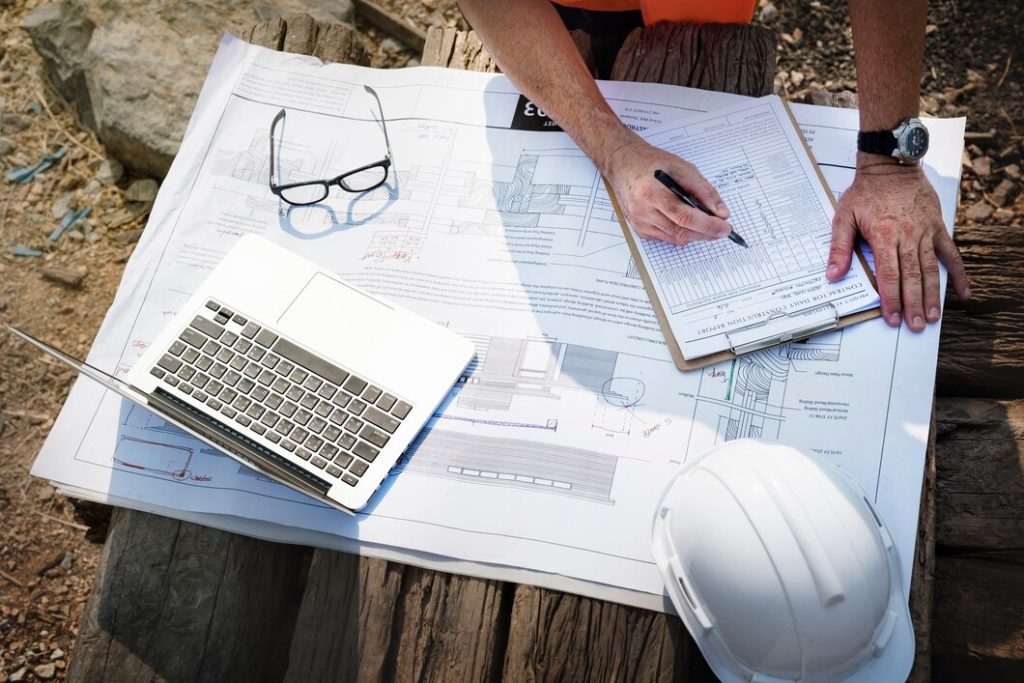
Differences Between Residential and Commercial Estimating, Construction estimating is the process of calculating how much a project will cost before building begins. This includes materials, labor, equipment, permits, and timelines. While the basic idea stays the same, residential vs commercial estimating involves different rules, sizes, and levels of detail depending on the type of building.
9 Key Differences Between Residential and Commercial Estimating
Here are the nine biggest differences when comparing residential vs commercial estimating.
1. Project Size and Scope
Residential projects, like single-family homes or small apartment buildings, are usually smaller in size and simpler in design. Commercial projects, such as office towers, hospitals, or retail centers, are much larger and involve more systems working together. This size difference is one of the clearest points in residential vs commercial estimating, since bigger projects need more detailed cost breakdowns.
2. Building Codes and Regulations
Commercial buildings must follow stricter codes covering fire safety, accessibility, and structural strength, since more people use the space at once. Residential homes follow codes too, but they are generally less complex. This regulatory gap is a major factor in residential vs commercial estimating, since meeting commercial codes often adds cost for specialized materials and systems.
3. Material Choices
Homebuilders often use standard materials like wood framing, drywall, and asphalt shingles. Commercial buildings frequently require steel framing, reinforced concrete, and fire-rated materials to meet safety standards. A construction takeoff service accounts for these differences to make sure every material is measured and priced correctly.
4. Labor and Trade Involvement
Commercial projects usually need more specialized trades, including electricians, HVAC engineers, and structural steel workers, often working at the same time. Residential builds tend to rely on smaller crews handling general carpentry, plumbing, and electrical work. More trades on a commercial job means more coordination, which adds to the estimating process.
5. Timeline and Project Phases
Homes are often completed in a matter of months, while commercial buildings can take a year or longer depending on size. Longer timelines mean commercial estimates must also account for price changes in labor and materials over time, something that matters less on a shorter residential build.
6. Cost Per Square Foot
Commercial buildings usually have a higher cost per square foot than homes because of stronger structural requirements, advanced mechanical systems, and stricter code compliance. This is one of the most noticeable differences in residential vs commercial estimating, and it directly affects budgeting and financing decisions.
7. Financing and Budgeting Approach
Residential projects are often funded through personal loans or mortgages, with a simpler approval process. Commercial projects typically involve investors, lenders, and detailed financial reporting, which means estimates need to be extremely accurate to satisfy funding requirements. A clear budget estimate is essential for both, but commercial financing depends heavily on estimate precision.
8. Software and Estimating Tools
Both residential and commercial estimators use digital tools, but commercial projects often require more advanced software to handle complex systems like mechanical, electrical, and plumbing coordination. This added complexity is another reason residential vs commercial estimating requires different levels of expertise and experience.
9. Risk and Contingency Planning
Because commercial projects are larger and more complex, estimators build in higher contingency amounts to cover unexpected costs. Residential estimates carry some risk too, but usually at a smaller scale. Planning for risk properly is a key part of accurate commercial cost estimation and helps prevent budget overruns later in the project.
Why Understanding These Differences Matters
Differences Between Residential and Commercial Estimating, Knowing the differences in residential vs commercial estimating helps you choose the right estimating approach for your project type. Using a residential method on a commercial job, or the other way around, can lead to inaccurate budgets and costly mistakes.
Whether you are planning a family home or a large office complex, working with the right estimating partner matters. Our team offers dedicated residential cost estimation and industrial estimation services tailored to each project type, so your numbers reflect real-world conditions.
For additional guidance on building codes and standards that affect both project types, resources from the International Code Council and the Associated General Contractors of America are helpful references. Homeowners can also check the National Association of Home Builders for residential-specific guidance.
Final Thoughts
Differences Between Residential and Commercial Estimating, While the basic goal of estimating stays the same, the details change significantly between building types. From codes and materials to timelines and financing, residential vs commercial estimating requires different skills, tools, and levels of detail. Choosing an estimator who understands these differences can save you time, money, and stress on your next project.
If you need an accurate estimate for a residential or commercial project, contact our team today for a free quote.
Frequently Asked Questions
Is commercial estimating harder than residential estimating?
Commercial estimating is generally more complex due to larger scope, stricter codes, and more trades involved, but both require accuracy and experience.
Can the same estimator handle both residential and commercial projects?
Yes, but it helps to work with an estimator experienced in both areas, since the cost factors and code requirements differ significantly.
Why does commercial construction cost more per square foot?
Commercial buildings need stronger structural systems, advanced mechanical work, and stricter safety codes, all of which raise the cost per square foot compared to homes.